What Volunteer Fire Departments Get Wrong About Their Insurance
Volunteer fire departments protect everyone else — but their own coverage often has gaps. Here are the mistakes we see most, and how to close them.
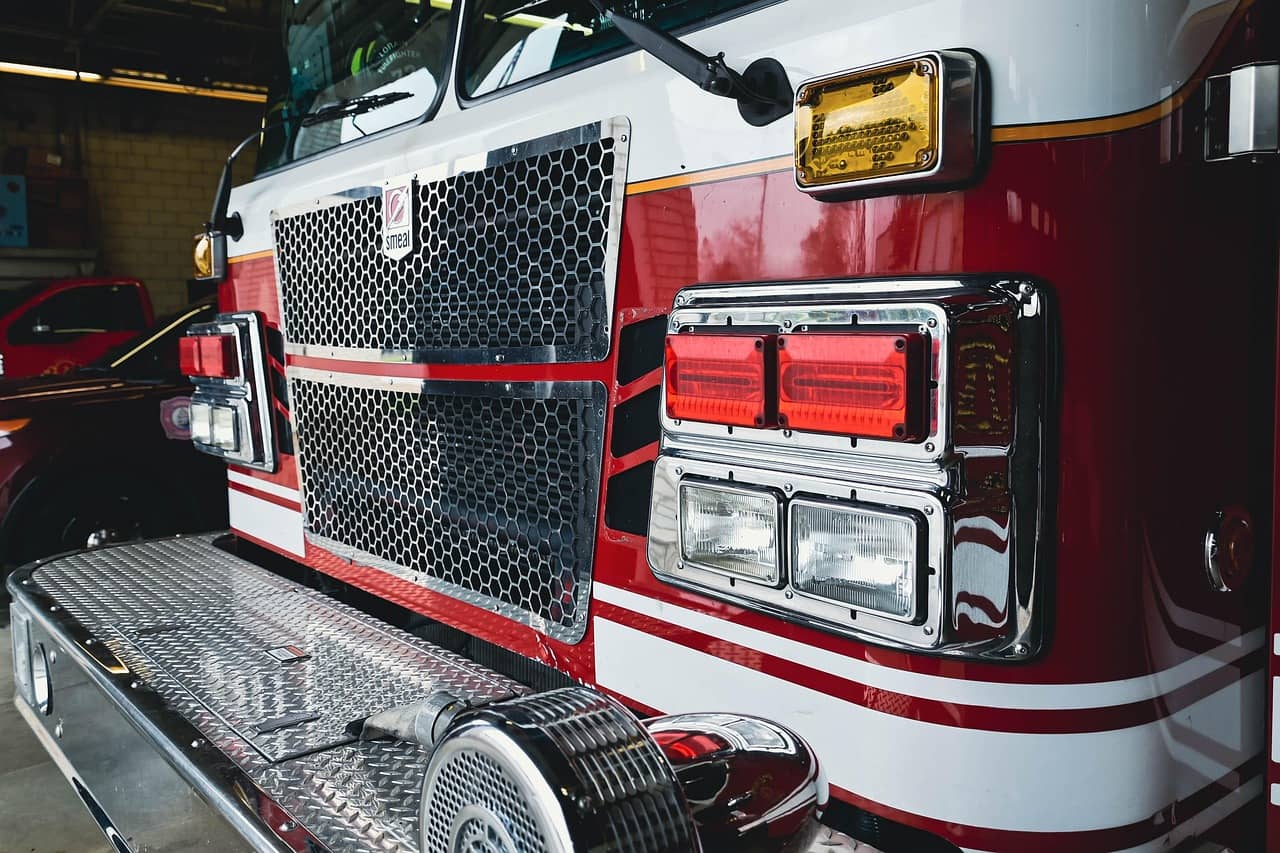
Volunteer fire departments carry an enormous responsibility on a budget that rarely matches it. Members give their time, the apparatus has to stay ready, and the community expects a response no matter the hour. In all of that, the department's own insurance is easy to set once and forget — which is exactly where problems start. After four decades of working with fire companies across the region, these are the gaps we run into most.
Treating firefighters like ordinary employees
Standard workers' compensation and accident policies aren't built for the way emergency response actually works. Firefighters face presumptive illnesses, on-scene injuries, and exposures that a generic policy may underrate or exclude. Coverage written specifically for the fire service — including accident and sickness protection for volunteers who don't draw a regular paycheck — fills gaps a conventional policy leaves wide open.
Insuring apparatus for the wrong value
A pumper or tanker is not a pickup truck, and replacement cost is not the same as market value. Departments often carry vehicles at a number that hasn't been revisited in years, only to discover after a loss that the payout won't replace the rig. Apparatus should be insured to what it would actually cost to replace today, with the specialized equipment mounted on it accounted for separately.
Don't forget what's on the truck
Hoses, SCBA, thermal imagers, extrication tools — the gear can rival the value of the vehicle itself. Make sure portable equipment is scheduled and valued, not lumped into a single line that quietly falls short.
Overlooking management and board liability
Fire departments make decisions: hiring, discipline, spending, governance. Those decisions can lead to claims that property and auto policies were never designed to cover. Management liability — sometimes called directors and officers coverage — protects the board and the organization when a decision is challenged.
Letting the policy drift out of date
Departments change. You add members, buy a new rig, take on mutual aid agreements, or start running EMS calls. Each of those shifts your exposure, and a policy that hasn't kept pace can leave you underinsured without anyone realizing it.
The worst time to find a coverage gap is in the middle of a claim. The best time to find it is during a calm, deliberate review with someone who knows the fire service.
How to close the gaps
- Schedule a coverage review at least once a year, and any time you add apparatus, members, or services.
- Confirm volunteers are covered for accident and sickness, not just paid staff.
- Insure apparatus and equipment to current replacement cost.
- Make sure management and board decisions are protected.
- Work with an agent who understands emergency services — not a generic commercial policy.
TBA Insurance has protected fire departments and first responders since 1984. If it has been more than a year since your last review, call us at (918) 341-2196 and we will walk through your coverage line by line.