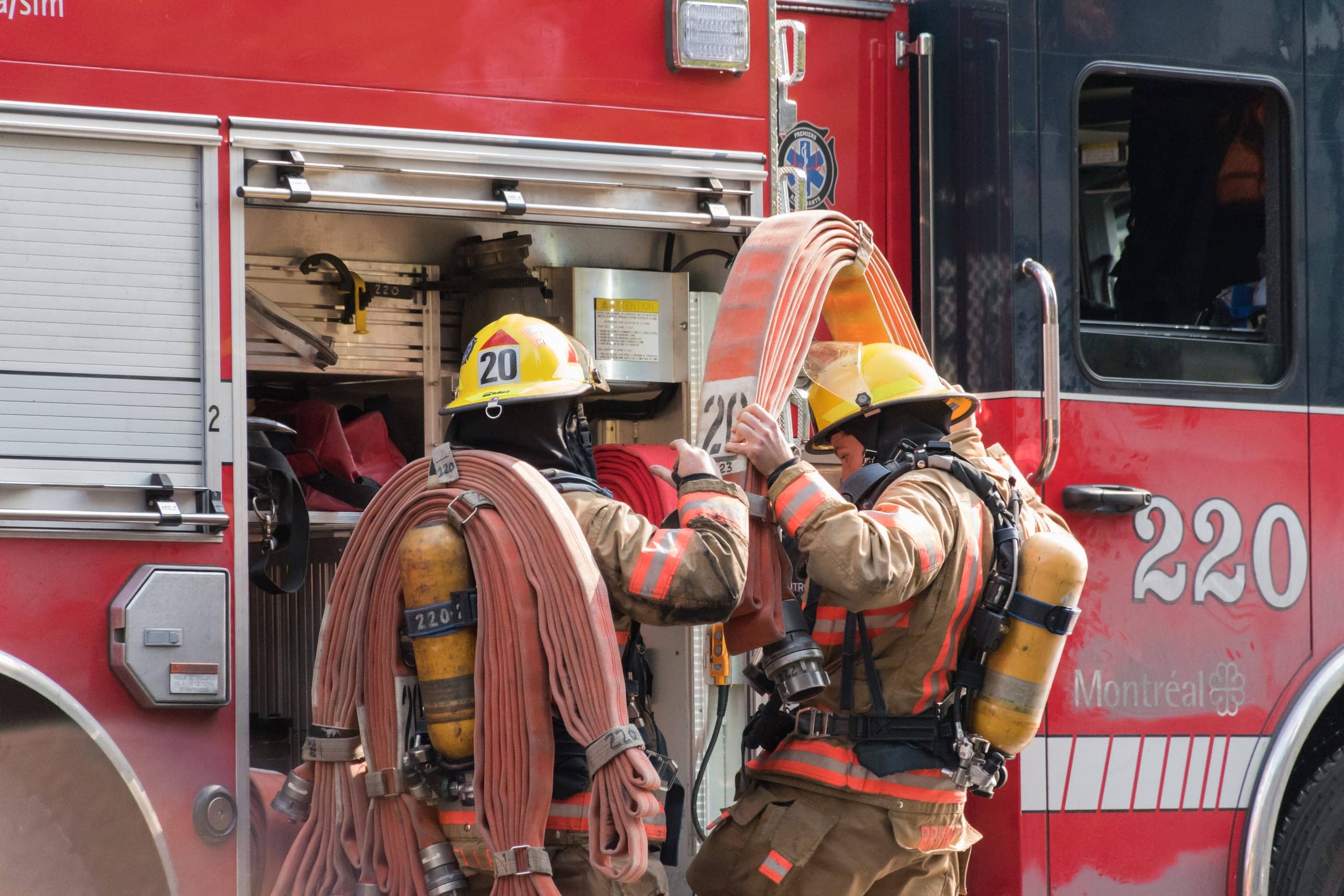
Dedicated placement for first responder protections
The country's leading insurer for emergency service organizations.
Founded in 1969, VFIS (Volunteer Fire and Emergency Services) was created for one reason: to protect the people who run into the calls everyone else runs from. Today it is the largest provider of insurance, education, and consulting services to fire departments, EMS agencies, and rescue squads in North America.
TBA Insurance places VFIS programs for volunteer and combination departments across Oklahoma and Arkansas. We bring the carrier's deep specialty expertise together with the kind of in-state, in-station service that a national 1-800 line will never deliver.
Select your state below to see the programs, departments, and people we serve closest to home.
VFIS where you serve
Select your state to explore the VFIS programs, services, and resources tailored to the communities you protect.
Coverage built for regional terrain and weather exposures
Every district navigates distinct geographic risks, from grassland wildfires and timber lines to interstate corridors and tornado belts. Programs pair dedicated emergency markets with on-the-ground knowledge of state mutual aid and OSFA reporting cycles.
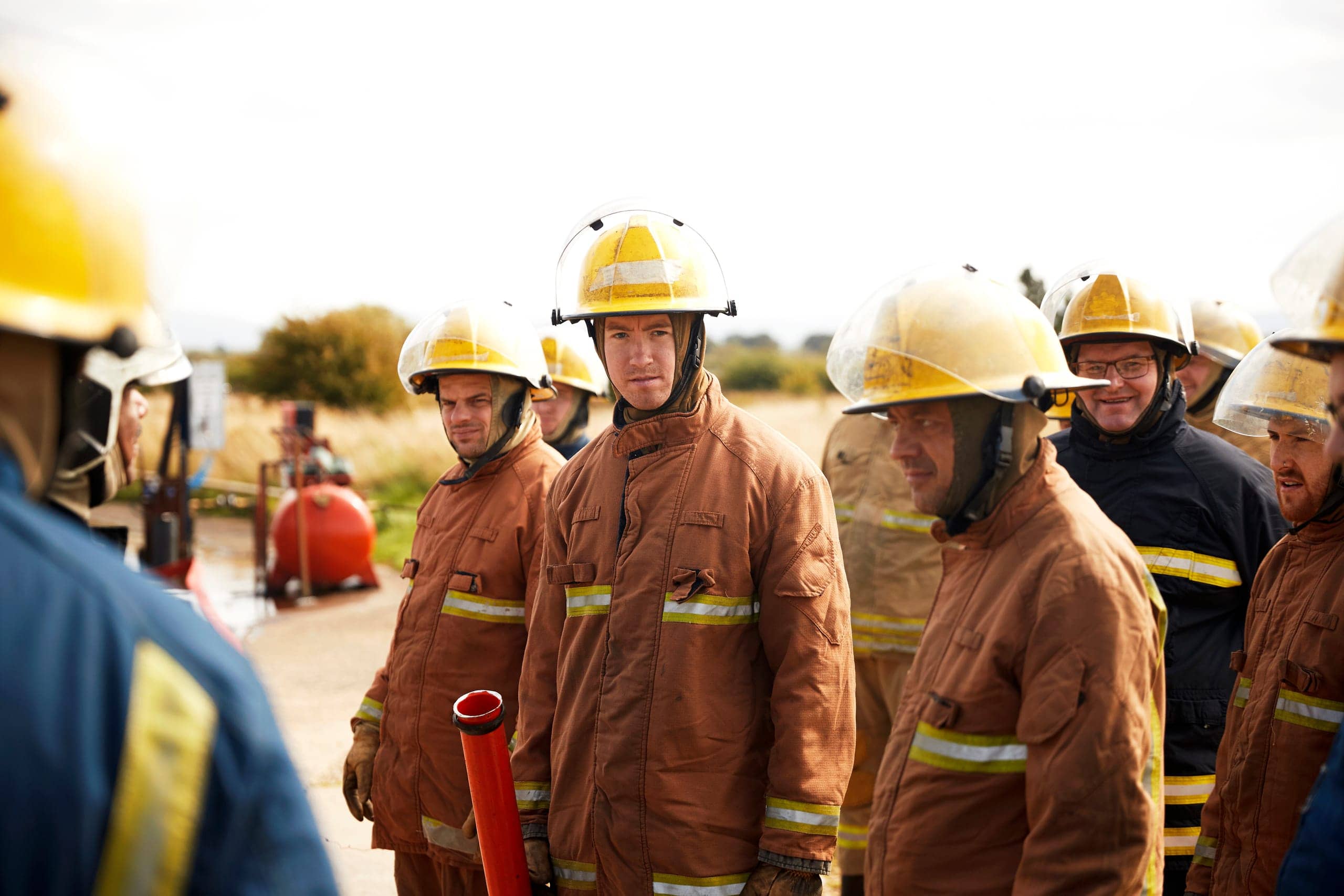
Property & Casualty (P&C)
Policy layers secure stations, grounds, vehicle bays, and administrative furniture against physical damage and natural disasters.
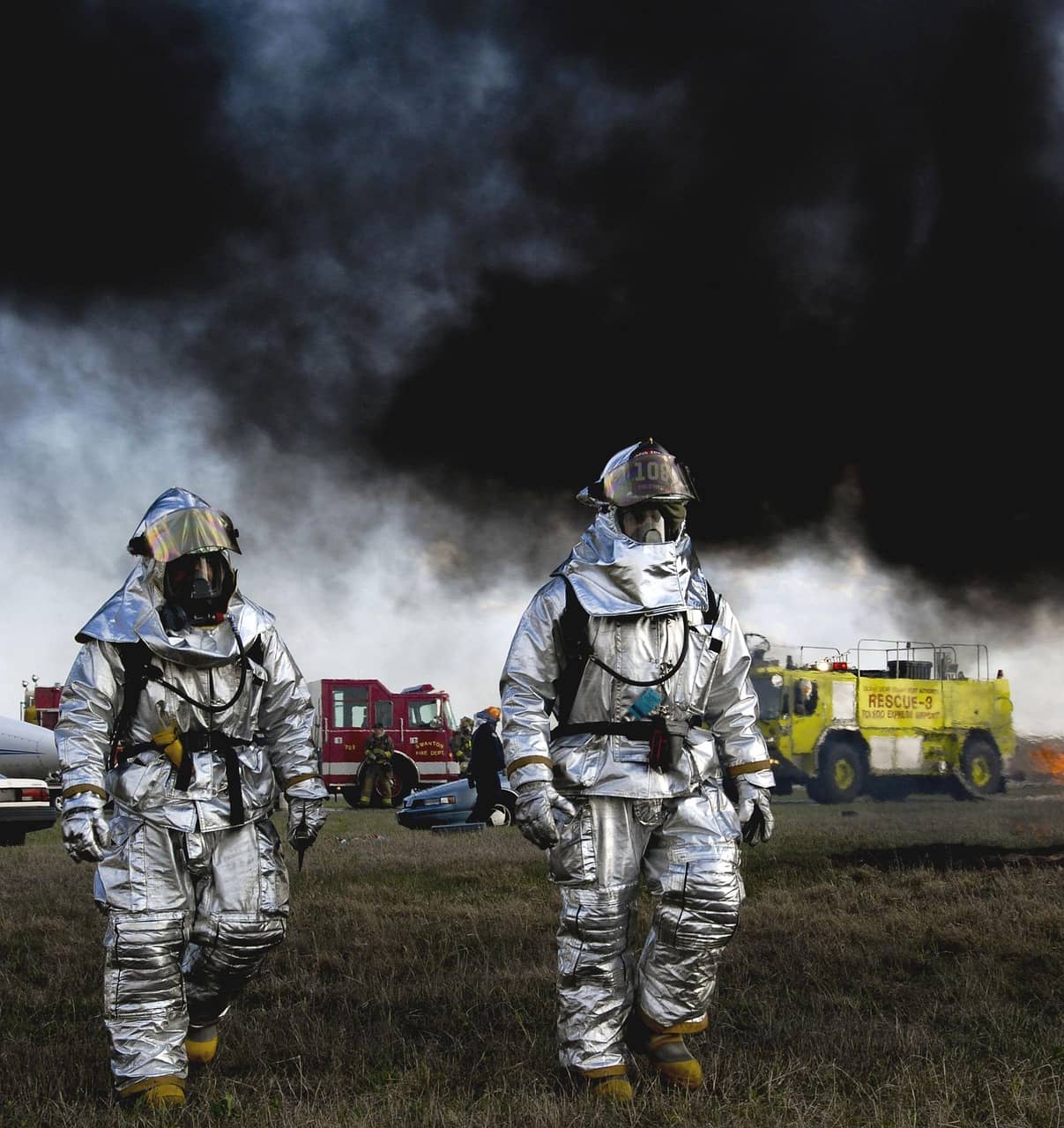
Agreed Value Auto
Fixed asset valuations protect engines, tankers, ambulances, and privately-owned vehicles without standard depreciation deductions.

Portable Equipment & SCBA
Scheduled lines secure breathing apparatus assemblies, thermal imagers, communication radios, and watercraft anywhere off-station.

General Liability
Protection structures insulate responders and personnel against operational liabilities, including professional healthcare malpractice and Good Samaritan acts.

Management Liability
Board members, chiefs, and trustees receive financial defense against allegations tied to administrative decisions, employment practices, and district governance.

Excess Liability
Supplemental policy layers extend baseline policy limits across primary automobile, general liability, and management lines.
Protecting municipal, rural, and sovereign emergency infrastructure
A clear path from station to coverage
Every department transitions through a structured four-step evaluation cycle built around fiscal-year budgets and state reporting deadlines.
- Step 01
Station Visit
Technicians visit the station bay, inspect the physical apparatus, and meet with line officers to analyze daily run volumes.
- Step 02
Exposure Review
Benchmarking metrics analyze peer regional departments to isolate property valuation gaps missed by standard commercial agents.
- Step 03
VFIS Placement
Underwriters negotiate directly with VFIS program administrators to match coverage limits with district tax allocations.
- Step 04
Year-Round Support
In-state advisors manage mid-term apparatus changes, OSFA filings, and claims processing without utilizing automated call centers.
Addressing hidden exposures in standard policies
Typical commercial insurance packages often overlook the unique liabilities faced by first responders. This framework targets and resolves the six most common coverage shortfalls.
Depreciated Apparatus Valuations
Standard policies pay actual cash value for damaged vehicles, leaving districts short tens of thousands of dollars during a replacement.
Inadequate Portable Gear Limits
High-value gear like SCBAs, extrication tools, and thermal imagers frequently outgrow basic off-premises property limits.
Gaps in Workers' Compensation
Statutory state plans often fail to protect junior members, auxiliary staff, or pre-existing cardiac conditions.
Unprotected Board Management
Basic liability structures exclude defense costs for chiefs and trustees facing employment disputes or fiscal allegations.
Commandeered Property Liabilities
Standard general liability lines fail to properly cover physical damage to third-party equipment borrowed during an emergency response or mutual aid call.
Vulnerable Dispatch Infrastructure
Traditional policies rarely cover the ransomware and data breach exposures tied to modern ePCR and digital dispatch networks.
Common VFIS questions.
The questions Oklahoma chiefs, trustees, and treasurers ask us most often. Tap any question to read more.

Ready to get protected?
Get the precise coverage your industry demands, backed by a local team that actually answers the phone.